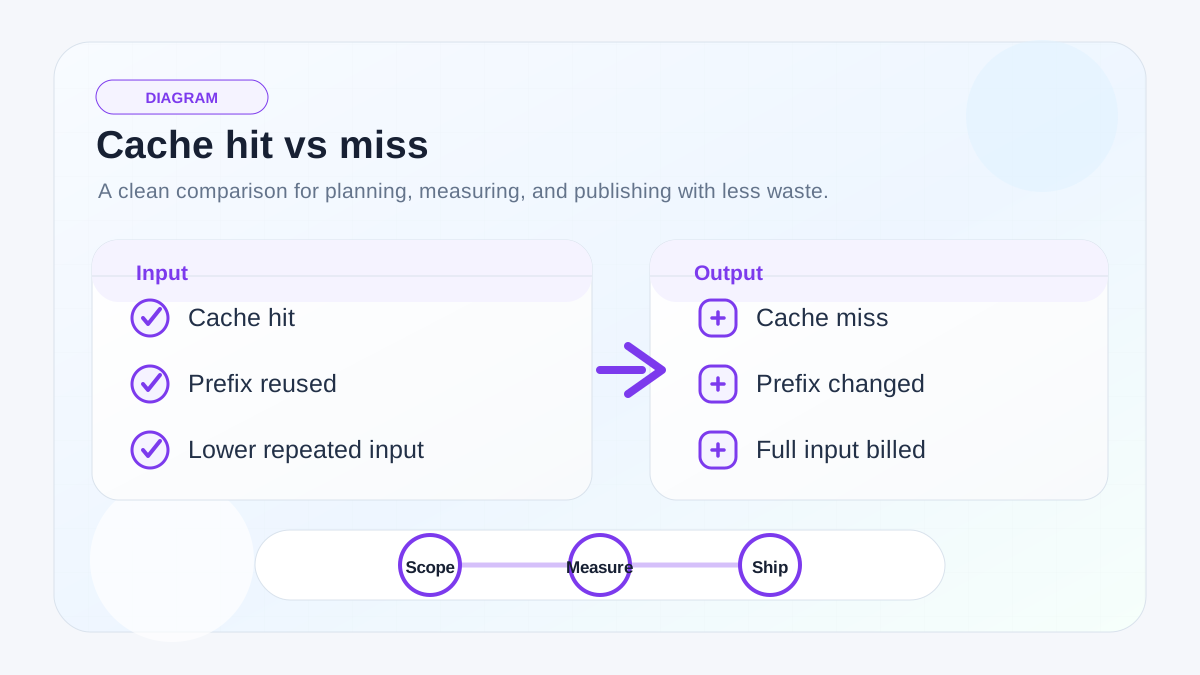
Introducción
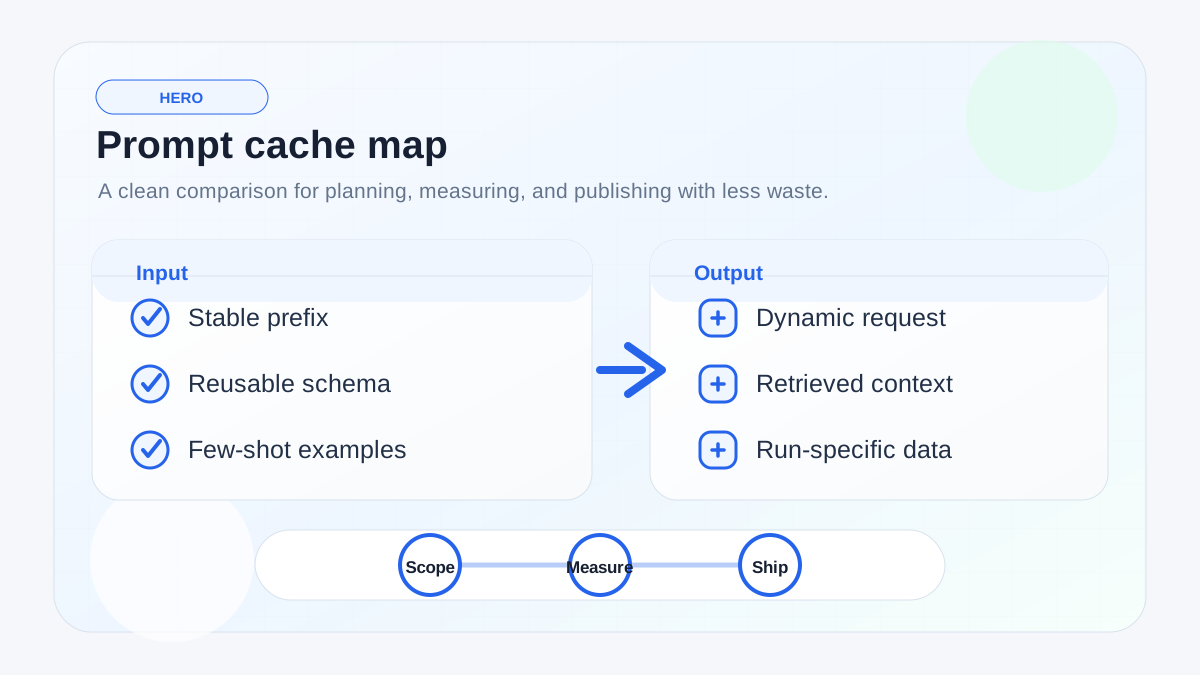
almacenamiento en caché rápido No se trata de acortar cada mensaje. Se trata de hacer que la parte costosa y repetida del mensaje sea lo suficientemente estable como para que el proveedor del modelo pueda reutilizarla en lugar de facturar el mismo contexto una y otra vez.
Para los creadores de IA, los operadores de SaaS y los fundadores técnicos, la parte difícil es decidir qué pertenece al prefijo almacenable en caché y qué debe permanecer dinámico. Un flujo de trabajo compatible con caché separa instrucciones, esquemas y ejemplos del contexto específico del usuario.
Start Prompt Caching With a Stable Prefix Map
Antes de reescribir las indicaciones, divida el flujo de trabajo en bloques estables y variables. Los bloques estables se reutilizan en muchas carreras; Los bloques variables cambian por tarea.
| Bloqueo rápido | Ajuste de caché | Razón |
|---|---|---|
| System instructions | High | Usually reused across tasks |
| Output schema | High | Should not change per user |
| Few-shot examples | Medium to high | Útil cuando se reutilizan ejemplos |
| Retrieved documents | Low | Usually task-specific |
| Timestamps and run IDs | Bad | They break prefix stability |
Mejore el almacenamiento en caché de mensajes moviendo el contexto dinámico más tarde
Un error de caché común ocurre cuando los equipos anteponen datos específicos del usuario a instrucciones reutilizables. Incluso una marca de tiempo o un ID de tarea cerca del principio pueden cambiar el prefijo y reducir los accesos a la caché.
Prompt Caching Prefix Rule
- Coloque primero el rol, la política, el esquema y los ejemplos.
- Coloque la solicitud del usuario, los fragmentos recuperados y la salida de la herramienta después del bloque estable.
- Mantenga el formato consistente entre ejecuciones.
- Evite identificaciones aleatorias en el primer bloque de mensajes.
Mida el almacenamiento en caché rápido con la tasa de aciertos de la caché, no con la esperanza
El almacenamiento en caché rápido debe medirse a nivel del flujo de trabajo. Realice un seguimiento de la tasa de aciertos de la caché, los tokens de entrada almacenados en caché, los tokens de entrada no almacenados en caché, la latencia y la tasa de éxito de la tarea final.
| Métrico | buena señal | Signo Bad |
|---|---|---|
| Cache hit rate | Rises as similar tasks repeat | Drops after prompt edits |
| Cached tokens | Large stable block reused | Only tiny prefix cached |
| Retry rate | Flat or lower | Higher after prompt restructuring |
| Output acceptance | Quality unchanged | Editors rewrite more output |
Avoid Prompt Caching Failure Modes
El mayor riesgo es ahorrar tokens y hacer que el agente sea menos confiable. Mantenga un conjunto de regresión de tareas representativas y compare los resultados antes y después de los cambios de caché.
Prompt Caching Invalidation Checklist
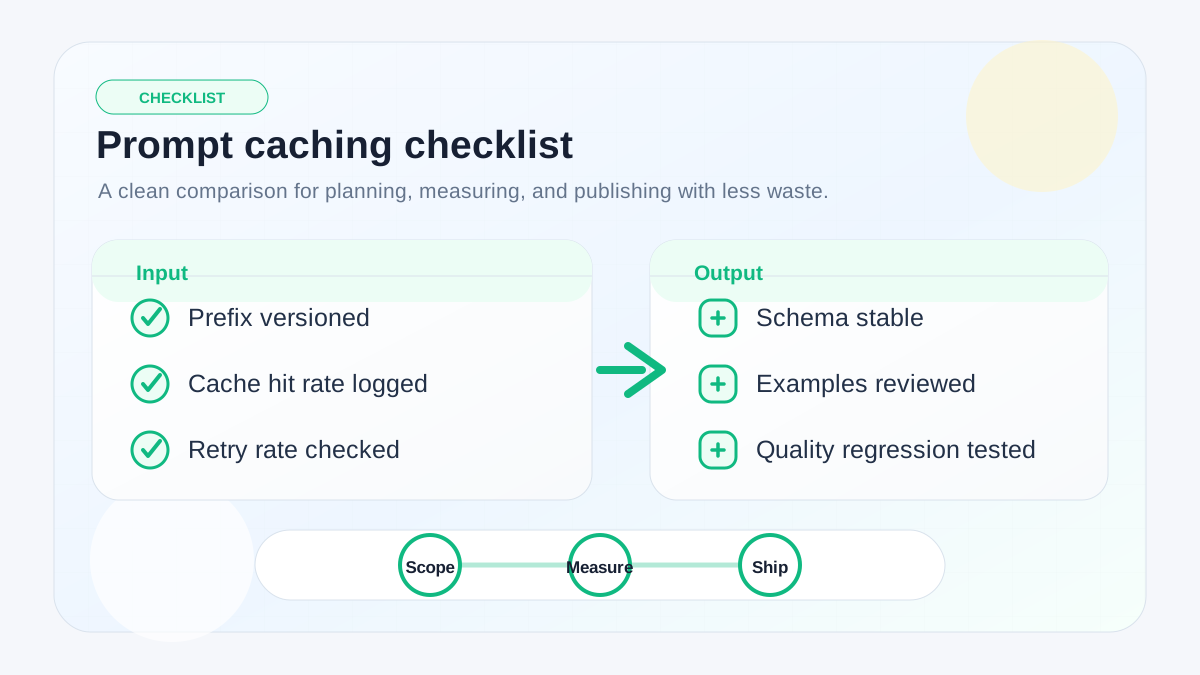
- Versione el indicador de su sistema.
- Documente cuando los ejemplos cambien.
- Registre el comportamiento de la caché específico del proveedor.
- Vuelva a realizar la prueba cuando cambien los esquemas o las descripciones de herramientas.
Use Prompt Caching With Model Routing
El almacenamiento en caché rápido y el enrutamiento de modelos funcionan bien juntos. Almacene en caché el bloque de instrucciones o planificación estable, luego dirija las subtareas de rutina a modelos más baratos y reserve modelos más sólidos para pasos que requieren mucho juicio.
Routing Rules by Cache Stability
- La extracción de esquemas estables puede utilizar modelos más baratos.
- El razonamiento ambiguo debería utilizar modelos más sólidos.
- La reparación de formateo no debe utilizar modelos premium.
- Las recomendaciones finales sobre riesgo High necesitan una revisión más exhaustiva.
Apply Prompt Caching in Production
En producción, el almacenamiento en caché rápido necesita propiedad. Asigne a una persona o propietario del flujo de trabajo para aprobar los cambios en el prefijo almacenado en caché, ya que una pequeña edición de esquemas, ejemplos o descripciones de herramientas puede restablecer el comportamiento de la caché en muchas ejecuciones. Mantenga un registro de costos antes y después para cada versión de solicitud: tokens de entrada, tokens en caché, tokens de salida, latencia, tasa de reintentos y tasa de salida aceptada. Esto evita una falla común en la que el equipo ve un menor costo de insumos pero pasa por alto una mayor carga de edición posterior.
Ejemplo: un flujo de trabajo Claude Code que revisa solicitudes de extracción similares puede mantener la rúbrica de revisión, el esquema de salida y las reglas de seguridad en el prefijo estable. Los archivos modificados y la solicitud del usuario permanecen después de ese prefijo. Si la rúbrica se reutiliza en docenas de ejecuciones, el almacenamiento en caché rápido reduce el costo del contexto repetido sin debilitar los criterios de revisión.
Después del lanzamiento, revise el rendimiento de la caché semanalmente. Busque caídas repentinas de aciertos en la caché después de realizar ediciones rápidas, latencia más prolongada después de cambios de esquema y tasas de reintento más altas después de eliminar los ejemplos. La mejor señal es el costo por resultado aceptado, porque capta tanto el ahorro simbólico como el retrabajo editorial. Mantenga esos números visibles antes de cada revisión del mensaje y anote cada experimento con la versión del mensaje que provocó el cambio. Si un experimento de caché reduce el costo pero aumenta las ediciones humanas, revertirlo e inspeccionar qué instrucción estable se debilitó.
Prompt Caching Pre-Launch Checklist
- Mapee bloques de avisos estables y dinámicos.
- Mueva el contexto dinámico después del prefijo reutilizable.
- Realice un seguimiento de la tasa de aciertos de la caché y del volumen de tokens almacenados en caché.
- Mantenga un conjunto de regresión para la calidad de la salida.
- La versión avisa cuando cambian los esquemas o ejemplos.
- Compare el costo por tarea exitosa, no solo el costo por solicitud.
Preguntas frecuentes: almacenamiento en caché rápido
¿Cuándo vale la pena el almacenamiento en caché rápido? Cuando un prefijo de aviso grande se reutiliza en muchas solicitudes similares y no cambia entre ejecuciones.
¿Qué interrumpe el almacenamiento en caché con mayor frecuencia? Metadatos dinámicos, contenido recuperado y contexto específico del usuario colocado antes del bloque de instrucciones estable.
Should I shorten the cached prefix? No necesariamente. Un prefijo estable más grande puede resultar económico cuando evita la facturación repetida y preserva la calidad.
Bottom Line: El almacenamiento en caché rápido es un problema de diseño de prefijos
almacenamiento en caché rápido funciona cuando el flujo de trabajo está diseñado en torno a un contexto estable y reutilizable. Separe el prefijo, mida los aciertos de la caché y proteja la calidad con pruebas de regresión.