


El impuesto SaaS: por qué su embudo de clientes potenciales cuesta más a medida que crece
Construyendo un moderno embudo de generación de leads generalmente comienza con un error costoso. Un líder de ingresos decide escalar los esfuerzos salientes e inmediatamente ensambla una pila de software basada en la nube: una herramienta de web scraping por $150 al mes, una API de verificación de correo electrónico por otros $200, un tercer proveedor de enriquecimiento y una plataforma de middleware para unirlo todo al CRM. Antes de enviar un único correo electrónico frío, el equipo de ventas ha construido una frágil infraestructura que agota $500/mes del presupuesto operativo.
Ésta es la sombría realidad de la economía SaaS moderna. No eres dueño de tu embudo de generación de leads. Lo estás alquilando, pieza por pieza, a media docena de proveedores de nube diferentes. Su modelo financiero es intrínsecamente hostil a su crecimiento: cada vez que sus servidores remotos raspan un perfil, verifican un dominio o sincronizan una fila, se deduce una fracción de centavo. Si su estrategia de marketing tiene éxito y de repente necesita procesar diez mil prospectos en lugar de cien, su factura de software se dispara instantáneamente. Eres Castigado financieramente por ampliar su alcance.
Pero la potencia informática necesaria para construir un sistema automatizado proceso de generación de leads ya está sobre tu escritorio. Al trasladar la ejecución de servidores remotos en la nube al hardware local, colapsa toda la pila de SaaS en un único agente unificado que se ejecuta en su propia máquina.
Decoupling Your Lead Generation Process
La RPA tradicional y la automatización basada en cron sufren acoplamiento frágil. La lógica de activación, las reglas de extracción, la transformación de datos y el formato de salida se integran en una única configuración monolítica. Cuando un sitio web cambia su diseño, se reconstruye todo. Cuando los criterios de puntuación evolucionan, se edita un flujo de trabajo de GUI frágil. Cuando cambia las fuentes de destino, corre el riesgo de romper todo el proceso.
EasyClaw adopta un enfoque fundamentalmente diferente: diseño de lógica de control desacoplada. El programador cron se activa según un cronograma preciso y genera una sesión de agente aislada. El script de canalización, un archivo Markdown simple almacenado localmente, define cada regla de extracción, lógica de limpieza, criterio de puntuación y formato de salida de forma independiente. El mensaje del trabajo cron contiene una sola frase: "Lea y ejecute pipeline-script.md".
Este desacoplamiento no es una preferencia menor. Es la diferencia entre un embudo que sobrevive durante años y uno que se rompe en el momento en que cambia la lógica empresarial. ¿Quiere ajustar su umbral de puntuación de "más de 50 empleados" a "más de 100 empleados"? Abre un archivo Markdown, cambia un número y lo guarda. El siguiente ciclo cron recoge las nuevas reglas automáticamente.
El flujo de datos completo ejecuta cuatro fases secuenciales en cada ciclo: Phase 1 — Extracción local utiliza la habilidad de la herramienta del navegador para abrir sitios web de destino a través de su navegador Chrome real con sesiones de inicio de sesión reales. Phase 2 — Limpieza de datos locales normaliza los nombres de las empresas, elimina registros duplicados y valida los formatos de correo electrónico/teléfono. Phase 3: puntuación de clientes potenciales de IA evalúa cada registro limpio según los criterios de su negocio. Phase 4 — Salida local escribe los resultados puntuados en un archivo de Excel y envía notificaciones de clientes potenciales de alta prioridad a su canal de mensajería.
Configuración de su embudo de generación de leads local paso a paso
Step 1: Equipe al agente con las habilidades adecuadas
Antes de que su agente pueda manejar un navegador o escribir hojas de cálculo, necesita el vocabulario operativo adecuado. Abra el panel de habilidades EasyClaw y habilite Browser Tool — brindando al agente la capacidad de abrir páginas web, hacer clic en botones, completar formularios y extraer texto a través de su navegador Chrome o Edge real con las sesiones de inicio de sesión intactas. A continuación, habilite XLSX — enseñar al agente a crear libros de Excel formateados con resaltado de color y organización de varias pestañas. Estas dos habilidades son la base mecánica de todo su embudo.
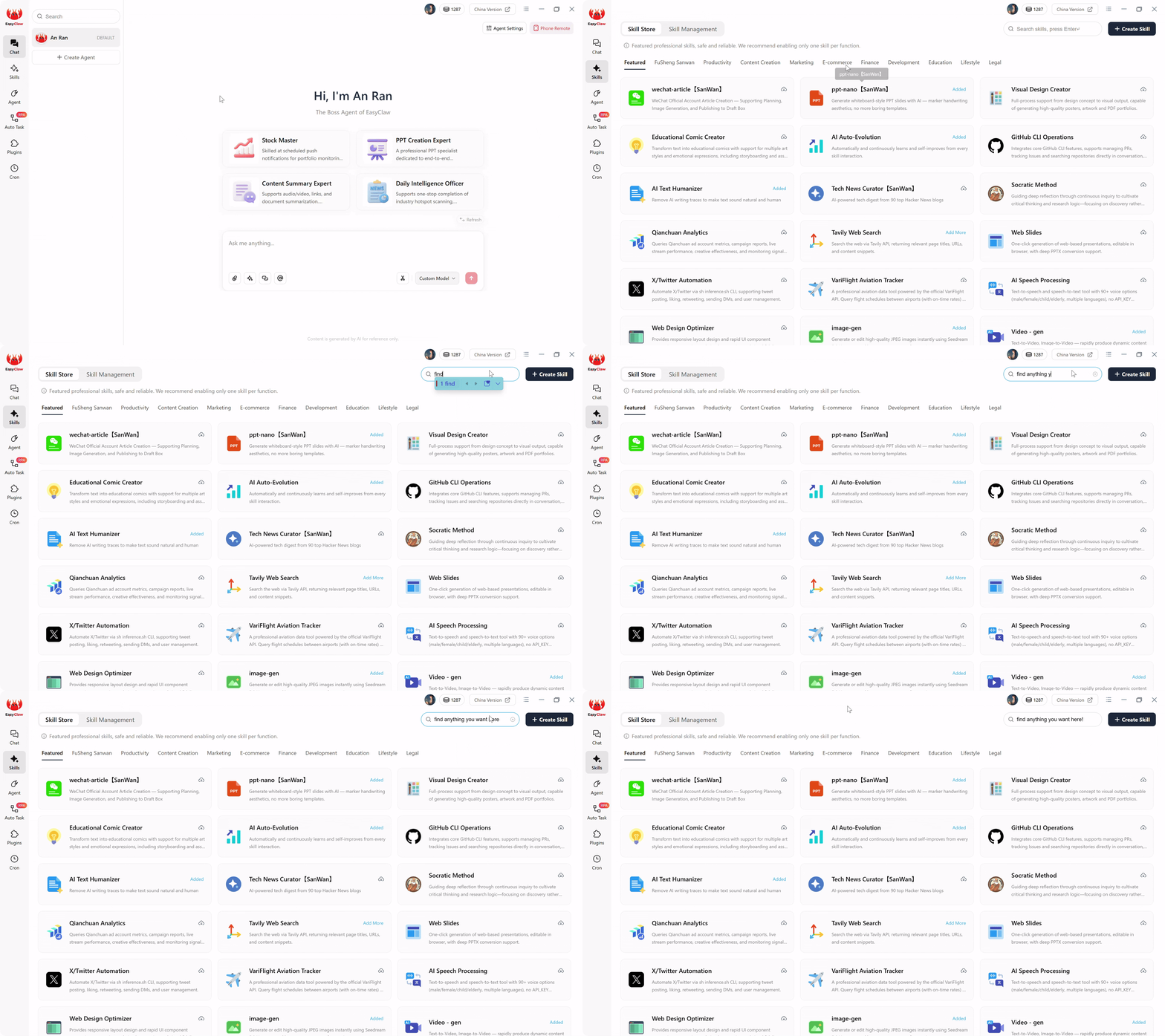
Habilite las habilidades Browser Tool y XLSX para brindarle a su agente el vocabulario operativo que necesita para manejar un navegador real y producir resultados formateados en Excel.
Step 2: Deje que AI escriba el script de canalización por usted
No te registraste para ser desarrollador. Te registraste para construir un embudo de generación de leads. En lugar de escribir el script de canalización usted mismo, proporcione a EasyClaw un único mensaje detallado y deje que genere todo. El script de canalización es un archivo Markdown simple que define cuatro fases secuenciales (extracción, limpieza, puntuación de IA y sincronización de CRM) y el agente lo lee cada vez que se activa el programador cron.
Abra el chat EasyClaw y describa las URL de destino, el perfil de cliente ideal y las preferencias de puntuación en un lenguaje comercial sencillo. La IA produce un guión listo para producción que cubre cada fase con listas de campos de extracción explícitas, reglas de validación, una rúbrica de puntuación completamente articulada e instrucciones defensivas para el manejo de errores.
Step 3: Programe el trabajo cron y aléjese
Abra la interfaz cron EasyClaw. Cree una tarea denominada "Canal de embudo de generación de leads" con un intervalo de 2 horas. Utilice el mensaje: "Leer y ejecutar pipeline-script.md en mi espacio de trabajo". Esa única frase es la instrucción completa. Toda la complejidad vive en el guión. El trabajo cron es sólo un reloj confiable. El guión es el cerebro.
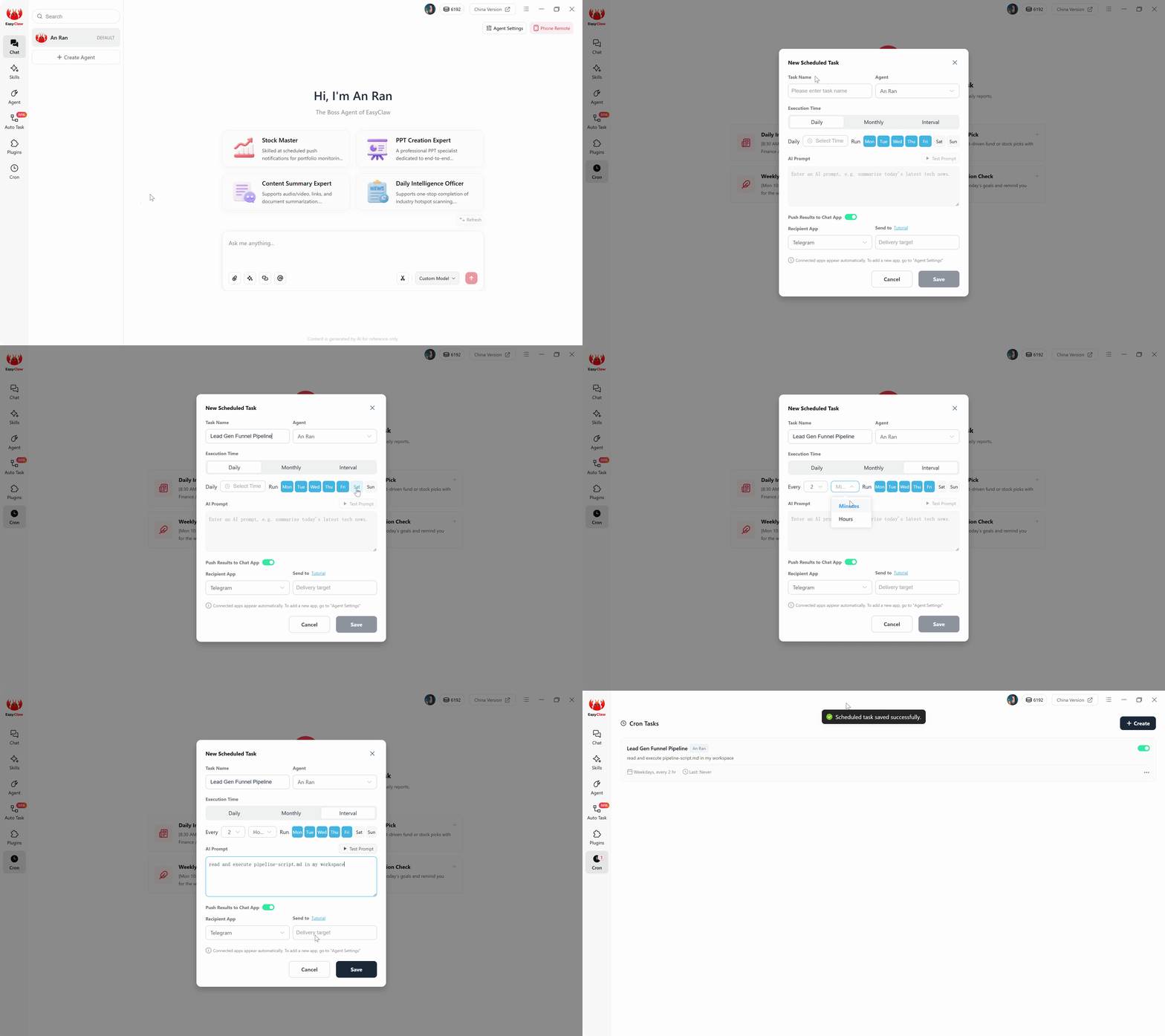
Configure una programación cron para ejecutar su canalización automáticamente: el agente lee pipeline-script.md y ejecuta el ciclo completo de extracción a salida sin intervención humana.
Antes de permitir que cron tome el control total, active una ejecución manual. Observe cómo el agente abre los sitios web de destino en su navegador real. Verifique la extracción, limpieza, puntuación y salida de Excel. Cuando la salida sea confiablemente correcta, deje que cron se haga cargo.
Defending Your Pipeline Against the Real World
La web es hostil a la automatización. Su agente de escritorio local tiene tres ventajas defensivas inherentes de las que carecen los raspadores de nube. First, la dirección IP de su residencia u oficina contiene un historial de navegación real, lo que hace que la actividad automatizada se mezcle con el tráfico normal. Second, la herramienta del navegador controla una instancia genuina de Chrome con extensiones reales, cookies y huellas digitales TLS, idénticas a su navegación manual. Third, el ritmo aleatorio de 3 a 6 segundos entre cargas de páginas imita la cadencia natural de un investigador humano. Estas son propiedades estructurales de ejecución local, no optimizaciones opcionales. Son la razón por la que los oleoductos locales sobreviven en plataformas donde los raspadores de nubes se prohíben en cuestión de días.
La limitación de tasas merece una cuidadosa consideración. Los servidores SMTP bloquean temporalmente las IP que envían más de aproximadamente 10 solicitudes de verificación por minuto. Verifique por lotes por separado de las ejecuciones de extracción y mantenga las tasas por debajo de los umbrales conocidos. Un proceso que funciona un poco más lento pero que nunca se bloquea procesa muchos más clientes potenciales en un mes que uno que funciona rápido y pasa la mitad de sus ciclos bloqueados.
El retorno de la inversión de ser propietario de su embudo de generación de leads
Seamos concretos en cuanto a la economía. Un tradicional basado en la nube embudo de generación de leads ensamblado a partir de costos de herramientas de middleware de CRM, enriquecimiento y raspado $150-$500/mes sólo en suscripciones. Ese costo aumenta con el volumen: cada cliente potencial adicional extraído, verificado y sincronizado representa otra fracción de centavo deducida de su cuenta.
Los costos de su tubería local cero dolares por mes para operar. La extracción se ejecuta en su navegador y conexión a Internet sin costo marginal por cliente potencial. La lógica de limpieza y deduplicación se ejecuta en la memoria del agente y no consume créditos API externos. La puntuación de IA aprovecha el mismo modelo de lenguaje que ya utiliza. La salida se escribe en un archivo Excel en su disco duro sin tarifas de sincronización ni límites de almacenamiento. Los datos de sus clientes potenciales permanecen bajo su control físico en cada fase.
| Factor de costo | Pila de SaaS en la nube | Canalización local EasyClaw |
|---|---|---|
| Monthly Platform Fees | $150 – $500+ | $0 (flat AI subscription only) |
| Per-Lead Extraction Cost | Fractions of a cent each | $0: se ejecuta en su hardware |
| Data Privacy (GDPR Exposure) | High: datos en servidores de terceros | Zero: los datos nunca salen de su disco |
| Scoring Intelligence | Rule-based / static filters | AI-driven, context-aware judgment |
| Adaptability to New ICP | Rebuild workflows | Edit a paragraph, next cycle adapts |
Por qué EasyClaw es la opción más inteligente para la automatización de la generación de leads
Cada plataforma de generación de prospectos basada en la nube, desde Apollo hasta ZoomInfo y pilas Zapier personalizadas, comparte una limitación fundamental: procesan datos en servidores que usted no controla, cobran por uso y requieren que su inteligencia patentada de prospectos transite a través de una infraestructura de terceros. EasyClaw invierte este modelo por completo.
EasyClaw no es una herramienta de automatización exclusiva de la nube. es un desktop-native AI agent que ejecuta su proceso de generación de prospectos en su propio hardware: extrae, limpia, califica y sincroniza prospectos sin que un solo servidor de terceros toque los datos de sus prospectos.
Mientras que las plataformas tradicionales cobran por cliente potencial, por enriquecimiento y por llamada API, EasyClaw procesa todo localmente con costo marginal cero. Su embudo se ejecuta según un cronograma (cada dos horas, todos los días) mientras usted se concentra en cerrar acuerdos.
Gestiona su navegador Chrome real con cookies y sesiones de inicio de sesión reales. Sin navegadores sin cabeza. No hay indicadores de IP del centro de datos.
LLM evalúa los clientes potenciales en función de su ICP, aplicando un criterio empresarial matizado, no una concordancia frágil de palabras clave ni reglas estáticas.
Todo el procesamiento se ejecuta localmente. Los datos de los clientes potenciales nunca transitan por un servidor en la nube. Eliminación de GDPR = eliminar una fila local.
Establezca su intervalo (cada 2 horas, diariamente a las 6 a. m.) y la canalización se ejecutará automáticamente. Zero coste marginal por ciclo.
Ventajas
- Costo por cliente potencial de Zero: se ejecuta en su hardware
- Arquitectura desacoplada: edite el script sin tocar el programador
- El comportamiento de navegación similar al humano evita la detección
- Cumple con el RGPD por diseño
- Nivel gratuito disponible: no se requiere tarjeta de crédito
Limitaciones
- Requiere instalación de la aplicación de escritorio
- No diseñado para una escala de base de datos de millones de registros
Preguntas frecuentes sobre los embudos locales de generación de leads
Your Desktop es ahora un servidor de generación de leads de producción
Su embudo de generación de leads Ahora es un motor silencioso que se ejecuta en su escritorio. Extrae, limpia, puntúa y sincroniza cada dos horas, todos los días, sin intervención humana. La capa de puntuación de IA hace lo que ninguna herramienta de automatización convencional puede hacer: evaluar la calidad de los clientes potenciales como lo haría un director de ventas senior, aplicando un juicio empresarial matizado en lugar de una frágil concordancia de palabras clave.
La era del pago de un alquiler mensual a los guardianes de SaaS por la infraestructura saliente básica está llegando a su fin. Las herramientas son locales. La inteligencia es local. Los datos siguen siendo suyos. Para los gerentes de ventas, líderes de equipos SDR y growth hackers en EE. UU., Europa y APAC, el camino hacia la prospección escalable ya no pasa por una docena de paneles de proveedores en la nube, sino por un único agente de escritorio cuyo funcionamiento no cuesta nada y nunca deja de funcionar.