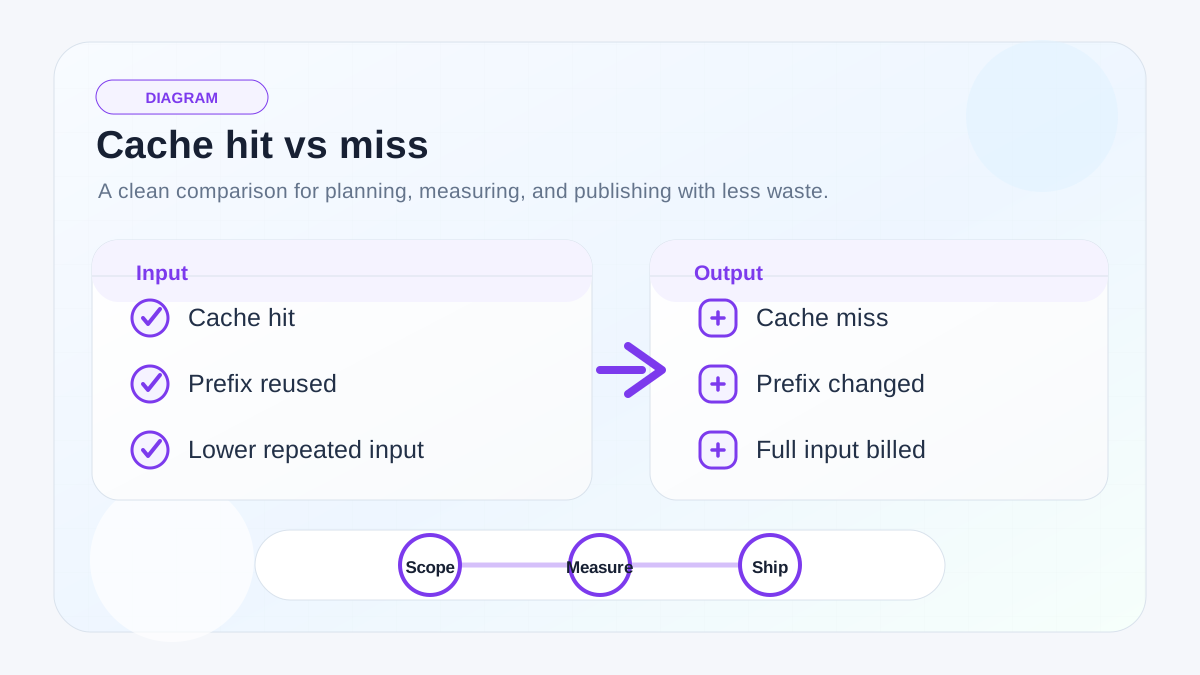
Introduzione
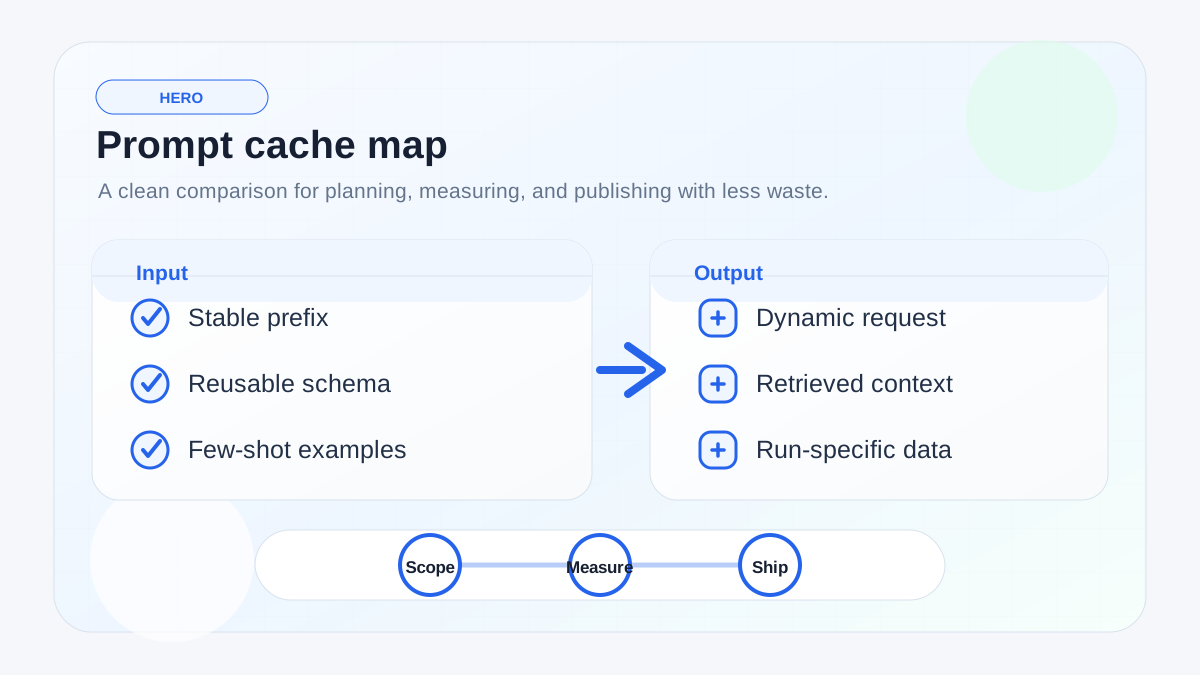
memorizzazione nella cache tempestiva non si tratta di rendere ogni suggerimento più breve. Si tratta di rendere la parte costosa e ripetuta del prompt sufficientemente stabile da consentire al fornitore del modello di riutilizzarla invece di fatturare lo stesso contesto più e più volte.
Per i costruttori di intelligenza artificiale, gli operatori SaaS e i fondatori tecnici, la parte difficile è decidere cosa appartiene al prefisso memorizzabile nella cache e cosa deve rimanere dinamico. Un flusso di lavoro ottimizzato per la cache separa istruzioni, schemi ed esempi dal contesto specifico dell'utente.
Start Prompt Caching With a Stable Prefix Map
Prima di riscrivere i prompt, suddividere il flusso di lavoro in blocchi stabili e variabili. I blocchi stabili vengono riutilizzati in molte esecuzioni; i blocchi variabili cambiano per attività.
| Blocco immediato | Adattamento della cache | Motivo |
|---|---|---|
| System instructions | High | Usually reused across tasks |
| Output schema | High | Should not change per user |
| Few-shot examples | Medium to high | Utile quando gli esempi vengono riutilizzati |
| Retrieved documents | Low | Usually task-specific |
| Timestamps and run IDs | Bad | They break prefix stability |
Migliora la memorizzazione nella cache dei prompt spostando il contesto dinamico in un secondo momento
Un errore comune nella cache si verifica quando i team inseriscono dati specifici dell'utente prima delle istruzioni riutilizzabili. Anche un timestamp o un ID attività vicino all'inizio può modificare il prefisso e ridurre gli accessi alla cache.
Prompt Caching Prefix Rule
- Inserisci prima il ruolo, la policy, lo schema e gli esempi.
- Inserisci la richiesta dell'utente, gli snippet recuperati e l'output dello strumento dopo il blocco stabile.
- Mantieni la formattazione coerente tra le esecuzioni.
- Evitare ID casuali nel primo blocco di prompt.
Misura la memorizzazione nella cache tempestiva con il tasso di riscontri della cache, non con la speranza
La memorizzazione nella cache dei prompt dovrebbe essere misurata a livello di flusso di lavoro. Tieni traccia del tasso di successo della cache, dei token di input memorizzati nella cache, dei token di input non memorizzati nella cache, della latenza e del tasso di successo dell'attività finale.
| Metrico | Buon segno | Segno Bad |
|---|---|---|
| Cache hit rate | Rises as similar tasks repeat | Drops after prompt edits |
| Cached tokens | Large stable block reused | Only tiny prefix cached |
| Retry rate | Flat or lower | Higher after prompt restructuring |
| Output acceptance | Quality unchanged | Editors rewrite more output |
Avoid Prompt Caching Failure Modes
Il rischio maggiore è risparmiare token rendendo l’agente meno affidabile. Mantieni una serie di regressioni di attività rappresentative e confronta gli output prima e dopo le modifiche alla cache.
Prompt Caching Invalidation Checklist
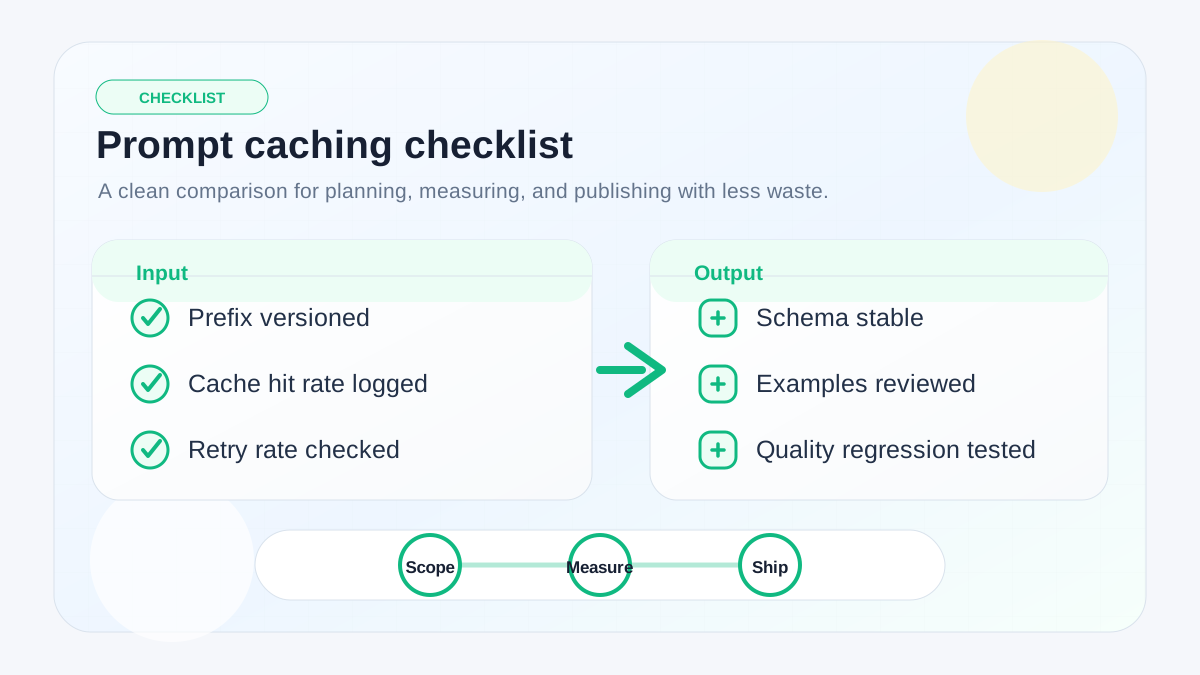
- Versione del prompt del sistema.
- Documenta quando gli esempi cambiano.
- Registra il comportamento della cache specifico del provider.
- Ripetere il test quando gli schemi o le descrizioni degli strumenti cambiano.
Use Prompt Caching With Model Routing
La memorizzazione nella cache e il routing del modello funzionano bene insieme. Memorizza nella cache la pianificazione stabile o il blocco di istruzioni, quindi instrada le attività secondarie di routine verso modelli più economici e riserva modelli più forti per i passaggi più impegnativi.
Routing Rules by Cache Stability
- L'estrazione stabile dello schema può utilizzare modelli più economici.
- I ragionamenti ambigui dovrebbero utilizzare modelli più forti.
- La riparazione della formattazione non dovrebbe utilizzare modelli premium.
- Le raccomandazioni finali sul rischio High necessitano di una revisione più approfondita.
Apply Prompt Caching in Production
In produzione, la memorizzazione nella cache immediata richiede la proprietà. Assegna una persona o un proprietario del flusso di lavoro ad approvare le modifiche al prefisso memorizzato nella cache, poiché una piccola modifica a schemi, esempi o descrizioni degli strumenti può reimpostare il comportamento della cache in molte esecuzioni. Conserva un registro dei costi prima e dopo per ogni versione del prompt: token di input, token memorizzati nella cache, token di output, latenza, frequenza di tentativi e frequenza di output accettata. Ciò impedisce un errore comune in cui il team vede un costo di input inferiore ma non si accorge di un onere di modifica più elevato a valle.
Esempio: un flusso di lavoro Claude Code che esamina richieste pull simili può mantenere la rubrica di revisione, lo schema di output e le regole di sicurezza nel prefisso stabile. I file modificati e la richiesta dell'utente rimangono dopo tale prefisso. Se la rubrica viene riutilizzata in decine di esecuzioni, la memorizzazione immediata nella cache riduce il costo del contesto ripetuto senza indebolire i criteri di revisione.
Dopo il lancio, esamina settimanalmente le prestazioni della cache. Cerca improvvisi cali di riscontri nella cache dopo modifiche tempestive, latenza più lunga dopo modifiche allo schema e tassi di tentativi più elevati dopo la rimozione degli esempi. Il segnale migliore è il costo per output accettato, perché cattura sia il risparmio simbolico che la rielaborazione editoriale. Mantieni questi numeri visibili prima di ogni revisione del prompt e annota ogni esperimento con la versione del prompt che ha causato la modifica. Se un esperimento sulla cache riduce i costi ma aumenta le modifiche umane, esegui il rollback e controlla quale istruzione stabile è stata indebolita.
Prompt Caching Pre-Launch Checklist
- Mappa blocchi di prompt stabili e dinamici.
- Sposta il contesto dinamico dopo il prefisso riutilizzabile.
- Tieni traccia del tasso di riscontro della cache e del volume dei token memorizzati nella cache.
- Mantenere un set di regressione per la qualità dell'output.
- La versione richiede quando gli schemi o gli esempi cambiano.
- Confronta il costo per attività riuscita, non solo il costo per richiesta.
Domande frequenti: memorizzazione nella cache dei prompt
Quando vale la pena memorizzare nella cache il prompt? Quando un prefisso di prompt di grandi dimensioni viene riutilizzato in molte richieste simili e non cambia tra le esecuzioni.
Cosa interrompe più spesso la memorizzazione nella cache dei prompt? Metadati dinamici, contenuto recuperato e contesto specifico dell'utente inseriti prima del blocco di istruzioni stabile.
Should I shorten the cached prefix? Non necessariamente. Un prefisso stabile più grande può essere economico quando evita fatturazioni ripetute e preserva la qualità.
Bottom Line: la memorizzazione nella cache dei prompt è un problema di progettazione del prefisso
memorizzazione nella cache tempestiva funziona quando il flusso di lavoro è progettato attorno a un contesto riutilizzabile stabile. Separa il prefisso, misura gli accessi alla cache e proteggi la qualità con test di regressione.