


Un suggerimento forte può ancora migliorare una singola risposta, ma molte attività preziose dell’intelligenza artificiale non terminano più con una risposta. Coinvolgono strumenti, file, app, tentativi, controlli, memoria e decisioni. Una volta che il lavoro diventa composto da più fasi, il ciclo conta più del suggerimento.
Ciò non significa che la pronta ingegneria sia morta. Ciò significa che l’ingegneria tempestiva non è più sufficiente da sola. Il vantaggio professionale sta nel passaggio da "Come posso chiedere al modello?" a "Come posso progettare un sistema in cui il modello possa continuare a funzionare, verificare i progressi, recuperare dagli errori e arrestarsi in modo sicuro?"
Per sviluppatori, operatori, esperti di marketing, analisti e fondatori, questo cambiamento è importante perché cambia l’aspetto della fluidità dell’intelligenza artificiale. L'abilità preziosa non è semplicemente scrivere istruzioni intelligenti. Sta trasformando il lavoro disordinato in flussi di lavoro affidabili assistiti dall’intelligenza artificiale.
Era necessaria l’era della pronta ingegneria
Il prompt engineering è diventato popolare perché i primi strumenti di intelligenza artificiale generativa erano estremamente sensibili alla formulazione. Gli utenti hanno appreso che i suggerimenti vaghi producevano risposte generiche, mentre i suggerimenti strutturati producevano risultati migliori. Hanno aggiunto ruoli, contesto, esempi, vincoli, istruzioni sui toni e formati di output. Per la scrittura, il brainstorming, il riassunto, la traduzione e l’analisi, queste tecniche sono ancora utili.
Un buon suggerimento chiarisce l'intento. Dice al modello ciò che conta. Riduce l'ambiguità. Può prevenire risposte pigre e spingere il modello verso una struttura utile. In molte attività quotidiane, l'ingegneria tempestiva rimane il modo più rapido per migliorare i risultati.
Se un product manager desidera una nota di rilascio migliore, è importante che la progettazione tempestiva. Se un team di vendita desidera riscrivere un'e-mail per una specifica buyer persona, è importante intervenire tempestivamente. Se uno studente desidera che un argomento complesso venga spiegato al giusto livello, l'ingegneria tempestiva è importante. Una comunicazione chiara con l’intelligenza artificiale è ancora una vera abilità.
Ma il prompt engineering è stato costruito attorno a un modello di conversazione: l’utente chiede, il modello risponde. Nel momento in cui l’IA deve intraprendere azioni, ispezionare risultati, richiamare strumenti, cercare file, eseguire codice o ripetere un’attività domani, il prompt engineering inizia a sembrare incompleto.
Perché il 2026 va oltre le aspettative
I sistemi di intelligenza artificiale che attirano l’attenzione nel 2026 non sono solo chatbot. Sono agenti e flussi di lavoro degli agenti. Possono funzionare su repository, browser, documenti, dashboard, API, terminali e applicazioni desktop. Questo cambia il problema.
Un messaggio può dire: "Ricerca concorrenti e prepara un riepilogo del mercato". Un ciclo chiede: dove dovrebbe cercare l'agente, quali fonti contano, come dovrebbe evitare i duplicati, come dovrebbe archiviare i risultati, quando dovrebbe fermarsi e come dovrebbe un essere umano verificare l'output?
Un messaggio può dire "Correggi questo bug". Un ciclo chiede: come dovrebbe l'agente riprodurre il problema, ispezionare la base di codice, apportare una modifica minima, eseguire test, riparare errori e produrre una patch rivedibile?
Un prompt può dire "Monitora ticket di supporto". Un ciclo chiede: quanto spesso l'agente dovrebbe controllare, cosa è considerato urgente, a quali ticket è possibile rispondere automaticamente, quali richiedono un'escalation e in che modo il sistema dovrebbe prevenire risposte errate?
Questo è il motivo per cui l'ingegneria del circuito è diventata la competenza operativa più importante. Il lavoro stesso è diventato iterativo.
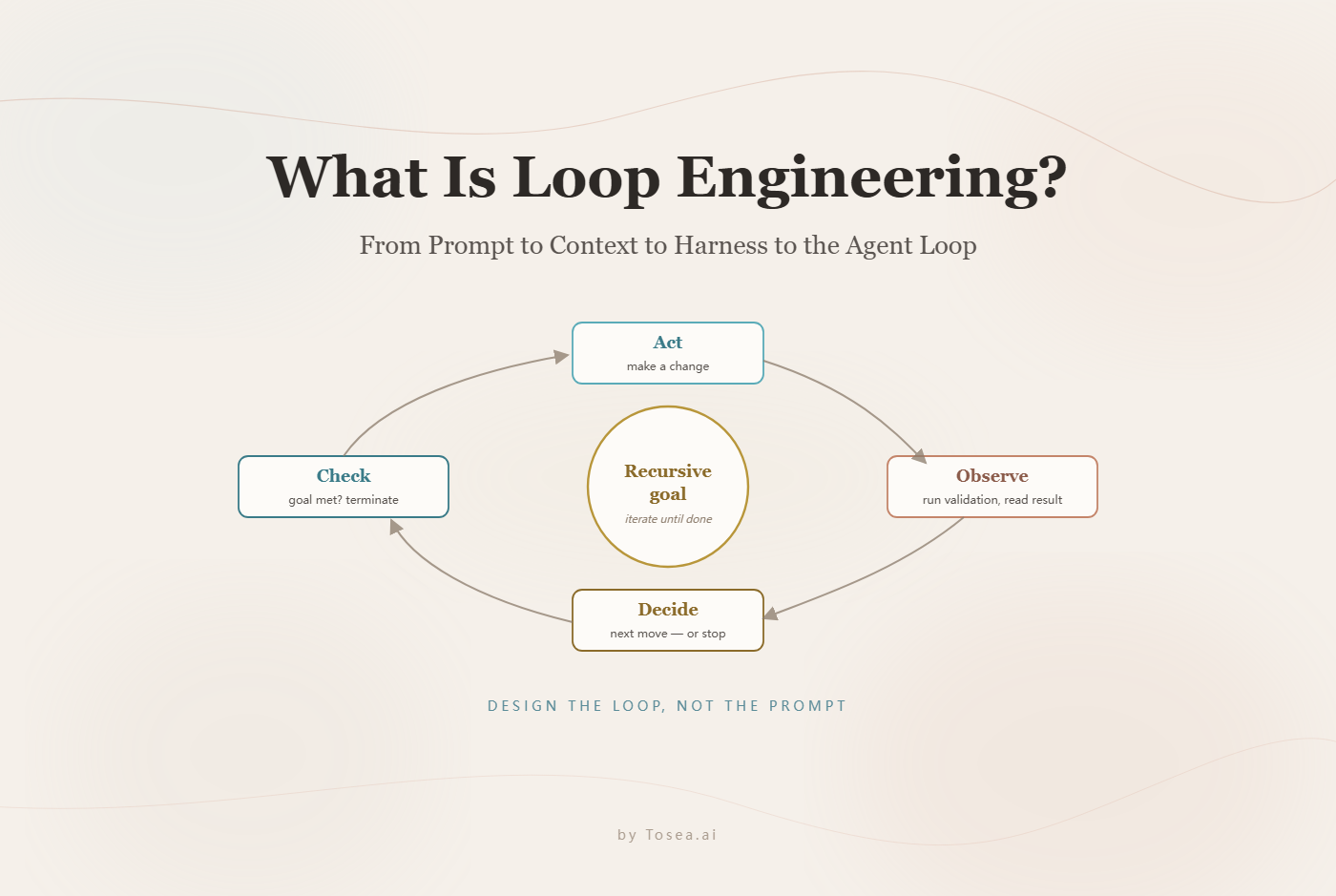
L'ingegneria tempestiva migliora la chiamata del modello. L'ingegneria del loop migliora il sistema di lavoro attorno a ripetute chiamate di modelli.
A cosa serve il Prompt Engineering
Il prompt engineering è meglio inteso come progettazione delle istruzioni. Risponde alla domanda: cosa dovrebbe sapere il modello prima di generare la risposta successiva?
È utile quando l'attività è limitata, a basso rischio e prevalentemente linguistica. Il modello necessita di contesto, stile, vincoli ed esempi. L'output è solitamente un pezzo di testo, una classificazione, un piano, una tabella o uno snippet di codice. L'utente mantiene il controllo dell'azione successiva.
Gli ingegneri tempestivi più forti sanno come ridurre l’ambiguità. Definiscono il pubblico, l'obiettivo, l'input, il formato di output e la barra della qualità. Sanno quando includere esempi e quando gli esempi si adatteranno eccessivamente alla risposta. Sanno come chiedere compromessi piuttosto che accordi superficiali. Sanno come far sì che il modello esponga le ipotesi.
Queste competenze rimangono preziose. In effetti, l'ingegneria del loop spesso dipende da buoni suggerimenti in ogni fase. Un ciclo può contenere suggerimenti per la pianificazione, l'utilizzo degli strumenti, la riflessione, la verifica e il riepilogo. I prompt errati all'interno di un ciclo possono comunque produrre comportamenti errati.
La differenza è la portata. L'ingegneria tempestiva migliora la chiamata del modello. L'ingegneria del loop migliora il sistema di lavoro attorno a ripetute chiamate di modelli.
Cosa aggiunge l'ingegneria del loop
L'ingegneria del loop è la progettazione del flusso di controllo per il lavoro dell'intelligenza artificiale. Definisce il modo in cui un sistema di intelligenza artificiale si muove attraverso un'attività nel tempo. Risponde a domande che normalmente il prompt engineering non risponde.
Cosa dovrebbe accadere prima che il modello agisca? Quali strumenti può utilizzare? Quale contesto dovrebbe essere caricato? Che feedback dovrebbe ricevere? Cosa dovrebbe succedere quando l'output fallisce? Quanti tentativi sono consentiti? Quali azioni richiedono l'approvazione? Quali prove devono essere prodotte? Come fa il sistema a ricordare informazioni utili senza inquinare il contesto futuro?
Un ciclo può essere semplice. Ad esempio, bozza, critica, revisione e finalizzazione. Può essere tecnico, ad esempio pianificare, modificare, testare, riparare e aprire una richiesta pull. Potrebbe essere operativo, ad esempio controllare la posta in arrivo, classificare i messaggi, bozze di risposte, inoltrare eccezioni e aggiornare CRM. Lo schema comune è che l’intelligenza artificiale non si limita a rispondere. Si muove attraverso un ciclo strutturato.
L'ingegneria del loop riconosce anche che i modelli non sono gestori naturalmente affidabili di un lavoro di lunga durata. Possono perdere il contesto, inseguire dettagli irrilevanti, ripetere azioni fallite o dichiarare prematuramente il successo. Un ciclo fornisce la struttura esterna. Trasforma un obiettivo vago in un processo controllato.
Confronto: abilità linguistiche vs abilità sistemiche
Il dibattito tra il prompt engineering e il loop engineering è spesso inquadrato come "quale abilità conta di più?" Una migliore inquadratura è questa: il prompt engineering è un’abilità linguistica, mentre l’ingegneria del loop è un’abilità sistemica.
L’abilità linguistica è importante quando la sfida principale è l’espressione. Le competenze sistemiche contano quando la sfida principale è l’esecuzione.
Se l'attività è produrre il titolo di una pagina di destinazione, un suggerimento potrebbe essere sufficiente. Se l’attività è generare, pubblicare, monitorare e migliorare le pagine di destinazione in una campagna, diventa necessario un ciclo. Se il compito è chiedere all’intelligenza artificiale SQL, il prompt engineering aiuta. Se il compito è consentire a un agente AI di interrogare un database, convalidare i risultati, generare un report e informare le parti interessate, l’ingegneria del loop diventa essenziale.
Questo è il motivo per cui nel 2026 l’ingegneria dei circuiti è più importante per un uso aziendale serio. Le aziende non vogliono solo risposte migliori. Vogliono risultati ripetibili. Vogliono che l’intelligenza artificiale riduca i trasferimenti, non aggiunga un’altra finestra di chat. Vogliono affidabilità, verificabilità e integrazione con il lavoro esistente.
Una progettazione tempestiva può far sembrare l’intelligenza artificiale più intelligente. L’ingegneria dei loop può rendere l’intelligenza artificiale utile nella produzione.
AI in Customer Support
Considera un team di supporto che gestisce le richieste di rimborso. Un approccio di prompt engineering potrebbe creare un modello di risposta efficace. L'utente fornisce al modello il messaggio del cliente, i dettagli dell'ordine, la politica e il tono desiderato. Il modello elabora una risposta lucida. Ciò fa risparmiare tempo, ma l'umano controlla comunque l'ordine, legge la politica, invia la risposta e aggiorna il ticket.
Un approccio di loop engineering ridisegna il flusso di lavoro. L'agente legge il ticket in entrata, identifica se si tratta di una richiesta di rimborso, recupera i dettagli dell'ordine, controlla l'idoneità al rimborso, redige una risposta, segnala i casi limite e aggiorna lo stato del ticket. Se il rimborso è inferiore a un determinato importo e soddisfa le condizioni della polizza, l'agente può preparare l'azione per l'approvazione. Se il caso comporta rischi di frode, valore elevato, linguaggio di chargeback o escalation emotiva, il ticket viene indirizzato a un essere umano.
Il suggerimento conta ancora. Il tono della risposta del cliente è importante. L’interpretazione politica è importante. Ma il vero valore deriva dal ciclo: classificazione, recupero, decisione, azione, escalation e tenuta dei registri.
Questa è la differenza tra l'intelligenza artificiale come assistente alla scrittura e l'intelligenza artificiale come partecipante al flusso di lavoro.
Examples per agenti di codifica AI
La stessa distinzione appare nell'ingegneria del software. Una mentalità di pronta ingegneria si chiede: "Come posso scrivere una richiesta migliore in modo che l'intelligenza artificiale produca un codice migliore?" Una mentalità di ingegneria dei cicli chiede: "Come posso assicurarmi che l'agente di codifica AI funzioni come uno sviluppatore disciplinato?"
Il messaggio potrebbe essere: "Aggiungi il supporto per la reimpostazione della password utilizzando il servizio di posta elettronica esistente. Segui le convenzioni del progetto. Includi test". Questo è utile. Ma non garantisce il successo.
Il ciclo definisce cosa succede dopo. L'agente deve ispezionare i flussi di autenticazione esistenti, identificare l'interfaccia del servizio di posta elettronica, creare un modello token o riutilizzarne uno esistente, aggiungere la gestione del percorso, aggiornare i test, eseguire la suite di test, correggere gli errori, controllare i percorsi sensibili alla sicurezza e riepilogare la modifica. Se non riesce a determinare se i token debbano scadere tra 15 minuti o 24 ore, dovrebbe chiedere piuttosto che inventare una politica.
Questo è il motivo per cui gli agenti di codifica rendono la differenza così visibile. Il codice viene eseguito oppure no. I test passano o falliscono. I tipi corrispondono o meno. Il loop offre all'agente un modo per incontrare la realtà.
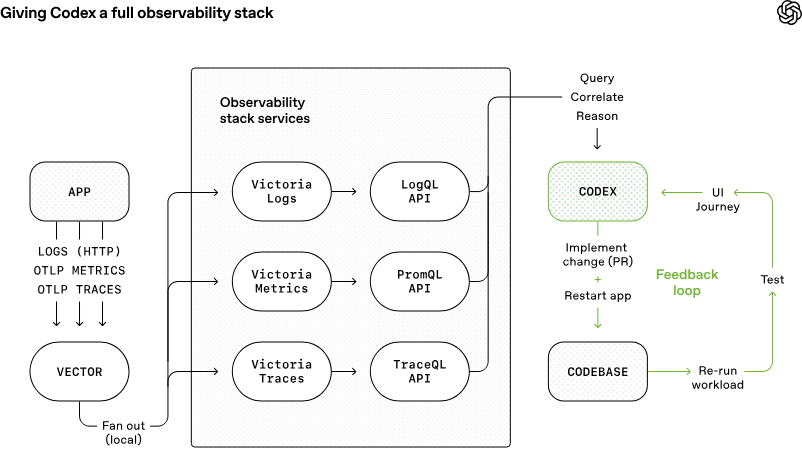
I cicli autonomi superano i prompt one-shot perché creano pressione per verificare e riparare.
Quali competenze contano di più nel 2026?
Per l’utilizzo una tantum dell’intelligenza artificiale, la tempestività del engineering è ancora più importante. Se una persona utilizza l’intelligenza artificiale principalmente per scrivere, riassumere, tradurre, delineare o fare brainstorming, suggerimenti migliori creeranno un miglioramento immediato.
Per i flussi di lavoro IA professionali, la progettazione del loop è più importante. Se il lavoro prevede più passaggi, strumenti esterni, regole aziendali, dati privati, approvazioni o esecuzioni ripetute, il ciclo determina se il sistema è affidabile.
Le persone più preziose capiranno entrambi. Scriveranno istruzioni chiare, ma progetteranno anche cicli di feedback. Sapranno quando è sufficiente un singolo prompt e quando è necessario un ciclo. Eviteranno di sovradimensionare i compiti semplici ed evitare di sottovalutare quelli rischiosi.
Una regola utile è questa: se il fallimento è ovvio ed economico, spesso è sufficiente un suggerimento. Se il fallimento è costoso, nascosto, ripetuto o richiede un’azione, progetta un ciclo.
Le quattro domande che decidono la giusta abilità
La prima questione è la durata. L'attività termina dopo una risposta o si svolge nel tempo? Una risposta unica favorisce un'ingegneria tempestiva. Un flusso di lavoro in più fasi favorisce l'ingegneria del loop.
La seconda domanda è il feedback. L’IA può verificare se ha avuto successo? Se la risposta dipende da test, log, API, fogli di calcolo, dashboard o comportamento degli utenti, il feedback deve far parte del ciclo.
La terza questione è la reversibilità. Se l’intelligenza artificiale commette un errore, è possibile rimediare facilmente all’errore? La stesura di un paragrafo è reversibile. L'invio di e-mail ai clienti, la modifica del codice di produzione, l'aggiornamento dei record CRM o l'eliminazione dei dati richiedono una progettazione del ciclo più forte.
La quarta questione riguarda la proprietà. Chi è responsabile del risultato finale? Se un essere umano legge ogni parola prima che succeda qualcosa, la tempestiva ingegneria potrebbe essere sufficiente. Se l’IA agisce prima della revisione, l’ingegneria del loop diventa obbligatoria.
Queste domande impediscono ai team di trattare allo stesso modo ogni attività dell’IA.
Perché le aziende dovrebbero interessarsene
Il rischio aziendale nel 2026 non è che i team ignorino l’intelligenza artificiale. Il rischio è che adottino l’IA al livello sbagliato. Molti team aggiungono chatbot ai flussi di lavoro esistenti e la chiamano trasformazione. I dipendenti continuano a copiare e incollare tra i sistemi. I manager continuano a rivedere manualmente ogni output. L'intelligenza artificiale crea testo, ma il flusso di lavoro rimane frammentato.
L’ingegneria del loop impone una domanda migliore: dove si blocca effettivamente il lavoro? Si tratta di raccolta di contesto? Instradamento decisionale? Controlli ripetuti? Trasferimento manuale dei dati? Rivedere i colli di bottiglia? Una volta che il collo di bottiglia è chiaro, è possibile progettare il circuito attorno ad esso. EasyClaw si inserisce naturalmente nella conversazione. Se un agente deve operare su file locali, finestre del browser, app di messaggistica o software desktop, la sfida pratica non è semplicemente scrivere un messaggio intelligente. Fornisce all'agente un percorso sicuro e ripetibile attraverso l'ambiente di lavoro effettivo dell'utente. Questo è un problema di loop.
Le aziende che vinceranno non saranno necessariamente quelle con il maggior numero di strumenti di intelligenza artificiale. Saranno loro a riprogettare i flussi di lavoro ripetitivi attorno a cicli chiari, supervisione umana e risultati misurabili.
Come costruire lo stack di abilità
Uno stack di competenze professionali in materia di intelligenza artificiale nel 2026 dovrebbe iniziare con immediata chiarezza, per poi passare alla progettazione del flusso di lavoro. Gli utenti dovrebbero comunque imparare a descrivere gli obiettivi, fornire il contesto, impostare vincoli e richiedere risultati strutturati. Ma dovrebbero andare rapidamente oltre il singolo suggerimento.
Il livello successivo è la scomposizione delle attività. Suddividere il lavoro in fasi che possono essere controllate. Invece di "fare ricerche sulla concorrenza", definire le fasi: identificare i concorrenti, raccogliere materiale di partenza, estrarre i prezzi, confrontare il posizionamento, riassumere i rischi e produrre raccomandazioni.
Il terzo livello è la progettazione del feedback. Decidi in che modo l'agente sa se ciascuna fase ha funzionato. Una revisione umana è un tipo di feedback, ma non l’unico. Test, schemi, regole di validazione, liste di controllo e output degli strumenti possono tutti servire come feedback.
Il quarto livello è l’escalation. Un ciclo affidabile sa quando non continuare. Se la fiducia è bassa, vi sono conflitti di dati, autorizzazioni mancanti o l'attività supera un limite di rischio, l'agente dovrebbe fermarsi e chiedere il giudizio umano.
Lo strato finale è la misurazione. I team dovrebbero monitorare se i flussi di lavoro basati sull’intelligenza artificiale riducono effettivamente il tempo di ciclo, le rilavorazioni, il tasso di errore o i passaggi manuali. Senza misurazione, l’ingegneria del loop diventa teatro.
Conclusione: i prompt iniziano il lavoro, i loop lo portano avanti
L’ingegneria tempestiva è ancora utile perché il linguaggio rimane l’interfaccia con l’intelligenza artificiale. Ma nel 2026, il lavoro di maggior valore dell’intelligenza artificiale dipende sempre più dai loop. Il prompt dice al modello cosa fare dopo. Il ciclo definisce il modo in cui il sistema continua a svolgere un lavoro utile finché il risultato non diventa reale.
Per i team pronti a passare da istruzioni migliori a flussi di lavoro basati sull'intelligenza artificiale, EasyClaw offre un modo pratico per eseguire agenti nativi desktop all'interno di cicli controllati, in modo che l'automazione diventi qualcosa che gli utenti possono testare, fidare e utilizzare effettivamente.
La risposta pratica non è “prompt engineering o loop engineering”. È sequenza. Impara prima il prompt engineering perché ogni flusso di lavoro AI necessita di istruzioni chiare. Quindi impara l'ingegneria dei loop perché il lavoro serio non si ferma alla prima risposta.
Un buon suggerimento può rendere l’intelligenza artificiale impressionante. Un buon ciclo può rendere affidabile l’intelligenza artificiale. Nel 2026, l’affidabilità è la competenza che conta di più.