


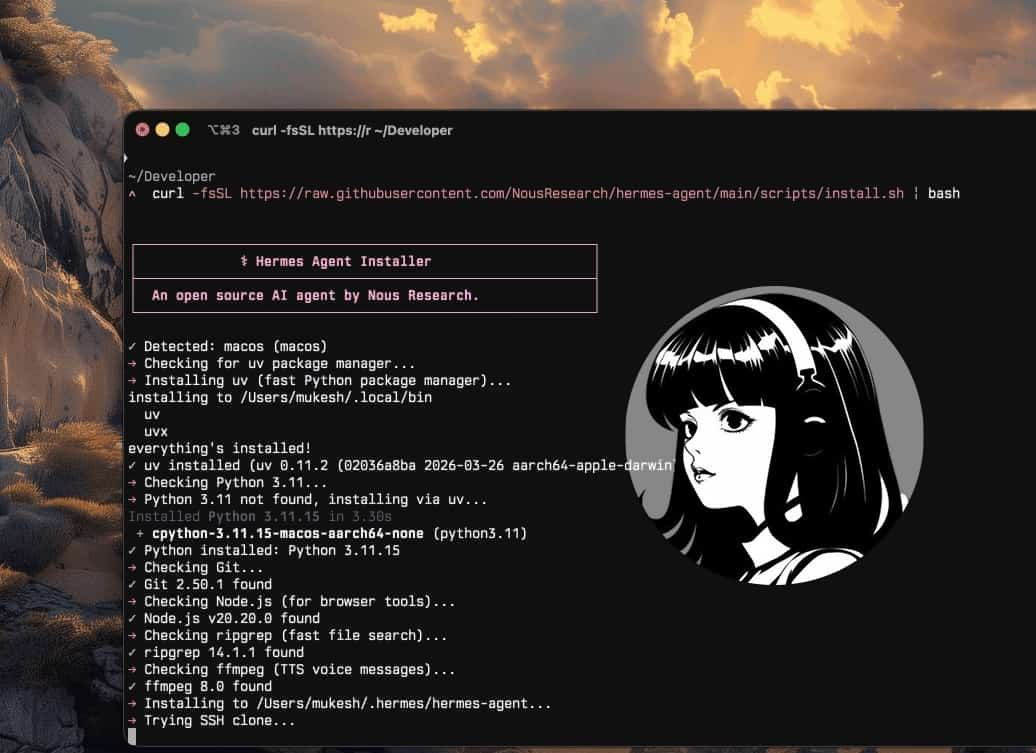
I migliori casi d'uso dell'agente Hermes sono flussi di lavoro ricorrenti in cui la memoria, il contesto, gli strumenti e il giudizio sono tutti importanti.
Perché i casi d'uso degli agenti Hermes sono diversi dai casi d'uso di Chatbot
Un chatbot dà una risposta. Un agente svolge un'attività. Questa differenza sembra piccola finché il lavoro non diventa disordinato. Un operatore di marketing non ha solo bisogno di "scrivere un'idea per la campagna". Hanno bisogno di un agente che legga le campagne passate, comprenda il pubblico, controlli i concorrenti, abbozzi varianti, prepari un piano editoriale e ricordi quale tono ha funzionato meglio l'ultima volta. Uno sviluppatore non ha solo bisogno di "spiegare questo errore". Hanno bisogno di un agente che controlli i log, confronti i commit recenti, apra file, proponga una correzione, esegua un test e riepiloghi il rischio.
Hermes Agent rientra in questa categoria perché è progettato attorno a memoria persistente, competenze, pianificazione, utilizzo degli strumenti e accesso multisuperficie. In parole povere, può diventare più utile quando il lavoro si ripete. Il valore non è che possa rispondere a qualsiasi cosa una volta. Il vantaggio è che può apprendere come un utente o un team preferisce portare a termine il lavoro. Il modo più produttivo di pensare a Hermes Agent non è "Cosa può generare?" ma "Quale flusso di lavoro ripetuto può gradualmente assumere il sopravvento?"
Un quadro semplice per scegliere il giusto caso d'uso dell'agente Hermes
Prima di elencare i principali casi d’uso, è utile separare gli obiettivi di automazione validi da quelli rischiosi. Un caso d'uso efficace dell'agente Hermes di solito ha quattro tratti. Innanzitutto, l'attività viene ripetuta ripetutamente. In secondo luogo, l'attività richiede il contesto del lavoro precedente. In terzo luogo, l'attività coinvolge strumenti o file, non solo testo. In quarto luogo, i risultati possono essere rivisti prima che creino rischi aziendali.
Un caso d’uso debole è l’opposto. È raro, altamente sensibile, scarsamente definito o pericoloso se l'agente agisce senza approvazione. Ad esempio, è sensato chiedere a un agente di riassumere gli appunti della riunione. Lasciarlo inviare impegni legali ai clienti senza revisione non lo è.
La regola pratica è semplice: iniziare con "l'automazione rivedibile". Lascia che sia l'agente a ricercare, elaborare, confrontare, organizzare, preparare e avvisare. Aggiungi l'esecuzione diretta solo dopo che il flusso di lavoro è stabile.
I 10 principali casi d'uso
1. Daily Work Briefings and Intelligence Reports
Uno dei casi d'uso più efficaci di Hermes Agent è il briefing quotidiano ricorrente. Molti professionisti iniziano la giornata controllando le stesse fonti sparse: e-mail, Slack, GitHub, dashboard di analisi, calendario, CRM, notizie del settore, aggiornamenti della concorrenza e documenti interni. L’abitudine manuale sembra insignificante, ma consuma silenziosamente la concentrazione prima che inizi il lavoro profondo.
Hermes Agent può trasformarlo in un flusso di lavoro pianificato. Può raccogliere aggiornamenti rilevanti, filtrare il rumore, riassumere le modifiche e fornire un rapporto conciso attraverso un canale preferito. Un product manager potrebbe ricevere un brief mattutino che copre bug aperti, reclami dei clienti, attività bloccate e rilasci della concorrenza. Un fondatore potrebbe ricevere un aggiornamento sintetico su lead di vendita, e-mail urgenti, problemi di pagamento e blocchi del team.
La chiave non è solo il riassunto. La chiave è la memoria. Un riepilogo generico dell'IA potrebbe dire che "diversi problemi richiedono attenzione". Un agente utile ricorda quali account contano, quali progetti tecnici hanno la massima priorità e quali avvisi sono solitamente falsi positivi. Nel corso del tempo, il briefing può diventare meno simile a un riassunto di notizie e più simile a un radar operativo.
This è anche il luogo in cui strumenti come EasyClaw possono adattarsi naturalmente agli utenti non tecnici. Se un team desidera report giornalieri in stile agente su app desktop e canali di chat ma non vuole dedicare tempo alla configurazione dell'infrastruttura, un livello di automazione desktop accessibile può semplificare l'implementazione della prima versione.
2. Email Triage and Follow-Up Preparation
L'e-mail rimane uno dei posti migliori in cui utilizzare un agente AI perché la difficoltà è non scrivere un messaggio. Il dolore è decidere cosa merita attenzione. Un flusso di lavoro dell'agente Hermes può classificare le e-mail in arrivo, identificare le scadenze, rilevare le risposte mancanti, redigere risposte e preparare azioni di follow-up. Per un team di vendita, può contrassegnare i potenziali clienti che hanno chiesto prezzi ma non hanno mai ricevuto risposta. Per un team operativo, può estrarre i ritardi dei fornitori e aggiornare un elenco di problemi condiviso. Per un dirigente, può separare le e-mail di "decisione sulle esigenze" da newsletter, informazioni e conferme di routine.
La versione più sicura mantiene l’essere umano nel giro. Hermes prepara bozze, etichette suggerite e azioni successive. L'utente approva prima che venga inviato qualsiasi cosa. This evita la comune modalità di fallimento dell'eccessiva automazione: un agente che agisce con sicurezza in un contesto in cui il tono, la negoziazione o la storia delle relazioni sono importanti. L'automazione della posta elettronica più preziosa non è "scrivere in modo più educato". È "aiutami a evitare di far cadere la palla".
3. Ricerca su documenti, siti Web e conoscenza interna
La ricerca è un altro caso d'uso di Hermes Agent di alto valore perché una buona ricerca raramente risiede in una scheda. Un utente potrebbe aver bisogno di confrontare fornitori, studiare un mercato, riassumere documenti accademici, ispezionare la documentazione del prodotto o preparare un promemoria decisionale. Un normale chatbot può aiutare se l'utente gli fornisce manualmente le fonti. Un agente può fare di più per la riunione e l'organizzazione stessa.
Un utile flusso di lavoro di ricerca Hermes potrebbe iniziare con una domanda, cercare fonti pubbliche, ispezionare note interne, estrarre affermazioni, confrontare contraddizioni e produrre un brief strutturato. Ancora più importante, può preservare la traccia di ciò che ha trovato. Ciò è importante perché la ricerca senza tracciabilità diventa rapidamente inaffidabile.
Ad esempio, un analista aziendale che ricerca piattaforme di agenti AI potrebbe chiedere a Hermes di confrontare framework open source, strumenti commerciali, modelli di sicurezza, requisiti di installazione e casi d'uso più adatti. Invece di produrre un elenco generico delle "piattaforme principali", l'agente può mantenere un file di ricerca vivente che viene aggiornato man mano che compaiono nuove versioni. La migliore pratica è chiedere esplicitamente l’incertezza. Un forte agente di ricerca dovrebbe separare fatti confermati, interpretazioni ragionevoli e domande aperte. Questa distinzione è spesso più preziosa di una conclusione lucida.
4. Developer Assistance, Valutazione dei problemi e navigazione nella codebase
Gli sviluppatori utilizzano già pesantemente l'intelligenza artificiale, ma molti assistenti di codifica si comportano ancora come il completamento automatico avanzato. Hermes Agent è più adatto per flussi di lavoro in cui l'attività incrocia file, strumenti, registri e convenzioni di progetto ripetute.
Un caso d'uso pratico è il triage dei problemi GitHub. L'agente può leggere un problema, controllare i file correlati, cercare bug simili passati, ispezionare i registri dei test non riusciti, suggerire cause probabili e redigere una risposta. Può anche preparare una piccola proposta di correzione, ma la revisione umana dovrebbe rimanere parte del processo. Un altro flusso di lavoro utile è l'onboarding in una codebase. Invece di chiedere a un ingegnere senior di spiegare ripetutamente la stessa architettura, Hermes può rispondere alle domande utilizzando file di progetto, decisioni passate e documentazione interna. Nel corso del tempo, può apprendere i comandi di test preferiti dal team, le convenzioni di denominazione, i passaggi di distribuzione e l'elenco di controllo di revisione.
Il vero guadagno in termini di produttività non è che l'agente scrive il codice più velocemente. È che riduce il tempo impiegato per individuare il contesto. Nel lavoro con il software, il recupero del contesto è spesso la tassa nascosta.
5. Content Operations from Research to Repurposing
I team che si occupano dei contenuti spesso confondono la scrittura basata sull’intelligenza artificiale con l’automazione dei contenuti. La bozza dell'articolo è solo un passo. Un flusso di lavoro completo dei contenuti include l'individuazione degli argomenti, l'analisi dell'intento di ricerca, la revisione della concorrenza, la creazione della struttura, la stesura, la modifica, il collegamento interno, i metadati, la distribuzione, il riutilizzo e la revisione delle prestazioni. Hermes Agent può supportare l'intera catena se il flusso di lavoro è progettato attentamente.
Per un'azienda B2B, Hermes potrebbe monitorare i blog della concorrenza, identificare le lacune, redigere brevi articoli, preparare versioni di LinkedIn, generare riepiloghi di newsletter e ricordare le regole del marchio. Per un creatore solista, potrebbe trasformare un lungo saggio in un thread, un'e-mail, un breve script video e un elenco di argomenti di follow-up.
Il punto importante è la coerenza. La maggior parte dei team di contenuto non fallisce perché mancano di idee. Falliscono perché ogni articolo riavvia il processo da zero. Hermes Agent può preservare il sistema operativo attorno ai contenuti: pubblico, tono, affermazioni ricorrenti, esempi preferiti, frasi vietate, collegamenti interni e lista di controllo della pubblicazione.
6. Sales Research and CRM Follow-Up
L’automazione delle vendite spesso va storta quando cerca di sostituire la costruzione di relazioni umane. Un approccio migliore è automatizzare la preparazione della conversazione. Hermes Agent può ricercare lead, riassumere il contesto aziendale, identificare probabili punti critici, elaborare progetti di sensibilizzazione personalizzati, aggiornare le note CRM e ricordare all'utente quando è previsto un follow-up. Per una piccola agenzia, potrebbe monitorare le richieste in entrata, arricchire ciascun lead con i dati dell'azienda pubblica e preparare una risposta suggerita in base al servizio richiesto.
L'agente diventa utile quando ricorda il processo di vendita. È necessario sapere che una richiesta di campione richiede una gestione diversa rispetto a un ordine all'ingrosso. Dovrebbe sapere quali clienti sono interessati ai certificati, quali ai tempi di consegna e quali necessitano di un tono di follow-up più morbido. Il miglior caso d’uso per le vendite non è l’e-mail di massa. È un contesto migliore prima di ogni interazione umana.
7. Flussi di lavoro di pulizia dei dati, reporting e fogli di calcolo
I fogli di calcolo sono una soluzione naturale per gli agenti di intelligenza artificiale perché contengono logica ripetitiva, formattazione disordinata, etichette incoerenti e presupposti nascosti. Un flusso di lavoro dell'agente Hermes può pulire file CSV, unire esportazioni, rilevare anomalie, produrre riepiloghi e generare grafici o spiegazioni scritte. Può anche ricordare regole di dati ricorrenti. Ad esempio, un operatore di e-commerce potrebbe sempre aver bisogno delle esportazioni del mercato normalizzate nello stesso formato, delle recensioni negative separate per tipo di problema e del rischio di inventario segnalato prima della riunione settimanale.
This è il caso in cui un agente è più utile di un suggerimento di formula generica. L'attività di solito prevede diversi passaggi: aprire il file, comprendere le colonne, porre domande chiarificatrici se necessario, trasformare i dati, convalidare i totali e spiegare cosa è cambiato. L’essere umano dovrebbe comunque rivedere i risultati, soprattutto quando le decisioni finanziarie, legali o operative dipendono dai numeri. Ma il carico manuale diminuisce drasticamente quando l’agente può ripetere lo stesso flusso di lavoro di pulizia ogni settimana.
8. Meeting Preparation and Post-Meeting Follow-Up
Le riunioni creano lavoro prima e dopo la chiamata. Questa è la parte che Hermes Agent può gestire bene. Prima di una riunione, può preparare un briefing: thread di posta elettronica rilevanti, attività aperte, ultime decisioni, domande irrisolte e documenti da rivedere. Dopo la riunione, può trasformare le note in elementi di azione, creare bozze di e-mail di follow-up, aggiornare bacheche delle attività e pianificare promemoria.
This è utile perché la memoria dell'incontro è fragile. Le persone ricordano la discussione ma dimenticano l'impegno. Un agente può preservare il thread operativo. Ad esempio, un responsabile di progetto che si prepara per una chiamata con un fornitore potrebbe chiedere a Hermes di riassumere l'ultima trattativa, i problemi di qualità aperti, i campioni in sospeso, lo stato dei pagamenti e le domande a cui è necessario rispondere prima della produzione. Dopo la chiamata, l'agente può redigere un riepilogo ed elencare le azioni successive da approvare. This non è un'automazione affascinante, ma è pratica. Riduce il divario tra "ne abbiamo discusso" e "qualcuno ha effettivamente seguito".
9. Personal Productivity and Daily Life Admin
Hermes Agent non è solo per il lavoro aziendale. Molte attività quotidiane dell’intelligenza artificiale sono operazioni personali: organizzare file, pianificare viaggi, confrontare acquisti, preparare moduli, gestire promemoria e trasformare appunti sparsi in decisioni. I giusti casi d’uso personali sono a basso rischio ma ad alto attrito. Ad esempio, Hermes può aiutare a pianificare un viaggio confrontando le opzioni di volo, creando una lista di controllo per i bagagli, redigendo un itinerario e ricordando le preferenze personali. Può aiutare a organizzare i documenti scaricati, rinominare file, riepilogare le fatture o preparare una revisione personale settimanale.
Si applica la stessa regola di sicurezza: lasciare che l'agente si prepari e consigli prima di spendere soldi, eliminare file o inviare messaggi sensibili. L’automazione della vita quotidiana è potente perché si trova vicino ai dati privati. Ciò significa anche che le autorizzazioni e i passaggi di revisione sono importanti. Il miglior agente di intelligenza artificiale personale si sente meno come un genio e più come un assistente affidabile che ricorda come ti piacciono le cose fatte.
10. Sviluppo di competenze riutilizzabili e procedure operative standard
Il caso d’uso più importante dell’agente Hermes potrebbe essere il meno ovvio: trasformare attività ripetute in competenze riutilizzabili. Molte persone utilizzano l’intelligenza artificiale in modo temporaneo. Richiedono, ottengono una risposta, chiudono la scheda e perdono il miglioramento. Hermes Agent punta verso un modello diverso. Quando un'attività si ripete, l'agente può preservare la procedura, perfezionarla e utilizzarla nuovamente.
This cambia il modo in cui i team dovrebbero pensare all'automazione. Invece di chiedersi: "L'intelligenza artificiale può svolgere questo compito?" chiedi: "Questo compito può diventare un'abilità?" Una capacità di riepilogo dell'assistenza clienti. Una capacità di analisi settimanale. Una capacità di confronto dei fornitori. Una capacità di revisione delle richieste pull. Una breve abilità di contenuto. Un'abilità di riepilogo della riunione.
This è il luogo in cui i sistemi ad agenti iniziano a consolidarsi. La configurazione della prima attività potrebbe richiedere del tempo. Il secondo è più facile. Il quinto diventa routine. L'agente non si limita più a rispondere; sta accumulando conoscenza operativa. Per le organizzazioni, questo crea un nuovo tipo di risorsa interna: la memoria pratica di lavoro. Non documentazione che nessuno legge, ma procedure eseguibili che migliorano con l'uso.
Il caso d'uso più importante: trasformare attività ripetute in competenze riutilizzabili che si accumulano nel tempo.
Come iniziare senza automatizzare eccessivamente
Il modo più sicuro per adottare Hermes Agent è iniziare con un flusso di lavoro ricorrente e doloroso. Non automatizzare l'intera attività. Scegli un processo con input chiari, output rivedibili e risparmi di tempo misurabili.
Un buon primo flusso di lavoro potrebbe essere un briefing mattutino, un rapporto settimanale, un processo di ricerca principale, il follow-up di una riunione o un brief di ricerca di documenti. Definisci a cosa può accedere l'agente, cosa può modificare e cosa richiede l'approvazione. Quindi eseguilo manualmente alcune volte, migliora le istruzioni e solo dopo pianificalo.
Per gli utenti non tecnici, il livello di installazione è importante. Hermes Agent offre una profonda flessibilità, ma la flessibilità può portare lavoro di configurazione. Strumenti come EasyClaw sono utili quando l'obiettivo è sperimentare più rapidamente l'automazione desktop tramite agenti, in particolare per gli utenti che desiderano connettere app di tutti i giorni, canali di chat e competenze del flusso di lavoro senza partire da un ambiente incentrato sullo sviluppatore. Il punto non è inseguire la configurazione più avanzata. Il punto è creare un ciclo affidabile.
A cosa non serve l'agente Hermes
Una guida seria ai casi d’uso dovrebbe anche indicare i limiti. Hermes Agent non dovrebbe essere trattato come un decisore senza supervisione per lavori ad alto rischio. Non dovrebbe approvare in modo indipendente pagamenti, assumere impegni legali, gestire decisioni sensibili in materia di risorse umane o modificare i sistemi di produzione senza barriere. Inoltre, non dovrebbe essere usato come una scorciatoia per aggirare le competenze. Se l'utente non è in grado di valutare il risultato, il flusso di lavoro necessita di una revisione più approfondita.
Gli agenti sono molto utili quando si occupano della parte noiosa: raccogliere, controllare, redigere, organizzare, confrontare e preparare. Gli esseri umani dovrebbero rimanere responsabili del giudizio, della responsabilità e delle decisioni finali. Quel confine non è una debolezza. È ciò che rende pratica l’automazione degli agenti.
Conclusione: i migliori casi d'uso sono i loop, non i prompt
I casi d'uso più efficaci degli agenti Hermes condividono uno schema: si ripetono, richiedono contesto e migliorano quando la memoria viene preservata. Briefing giornalieri, valutazione delle e-mail, ricerca, flussi di lavoro degli sviluppatori, operazioni sui contenuti, follow-up delle vendite, reporting su fogli di calcolo, supporto alle riunioni, amministrazione personale e creazione di competenze riutilizzabili traggono tutti vantaggio dallo stesso cambiamento di base. Il lavoro si sta spostando da istruzioni isolate a cicli IA persistenti.
Il futuro della produttività dell’intelligenza artificiale non sarà definito da chi scriverà il suggerimento più intelligente. Sarà definito da chi trasformerà il lavoro ricorrente in sistemi affidabili, rivedibili e consapevoli della memoria. Hermes Agent appartiene a questo cambiamento perché si concentra sulle parti che contano dopo la prima demo: contesto, strumenti, competenze, pianificazione e continuità. For most users, the right question non è più "Cosa può rispondere l'intelligenza artificiale?" Si tratta di "Quale parte del mio lavoro non dovrebbe mai più ricominciare da zero?"